What a full vent cleaning looks like at your house
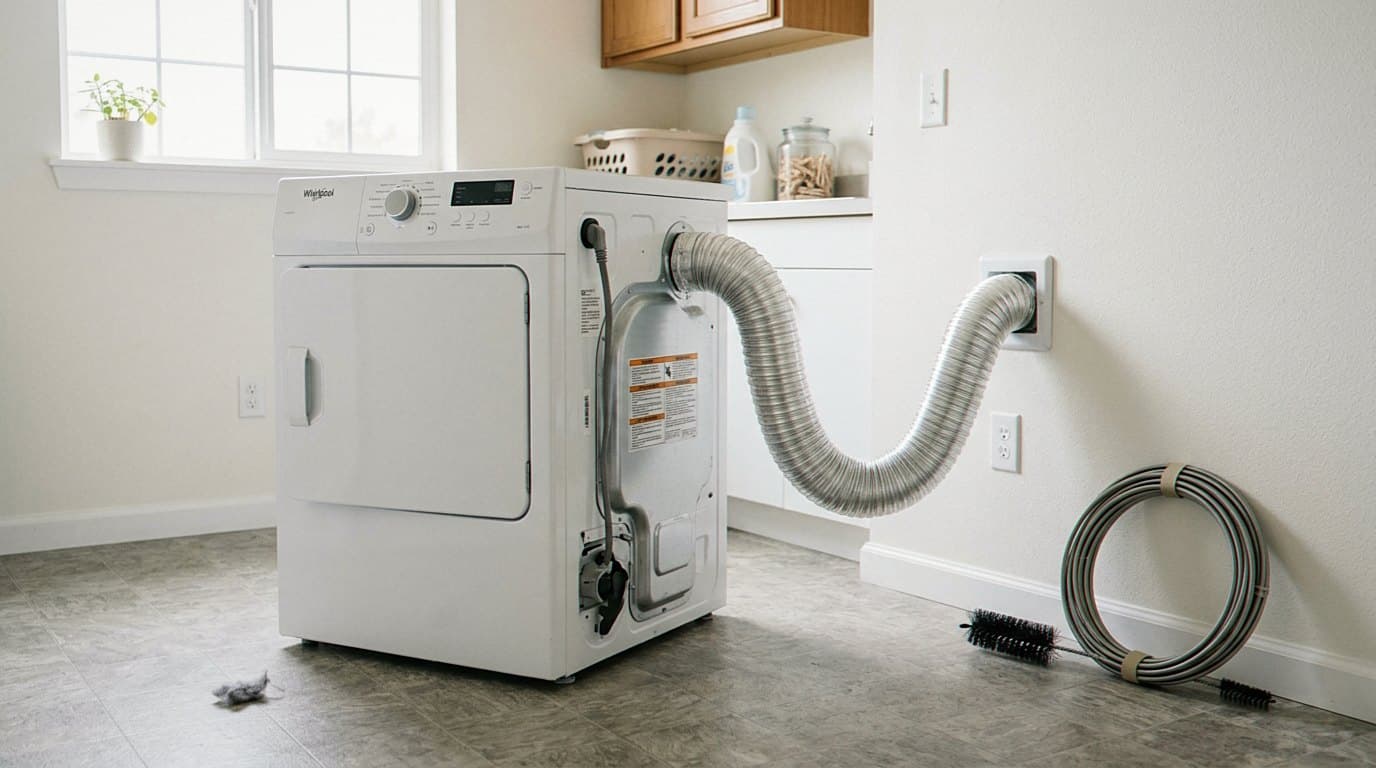
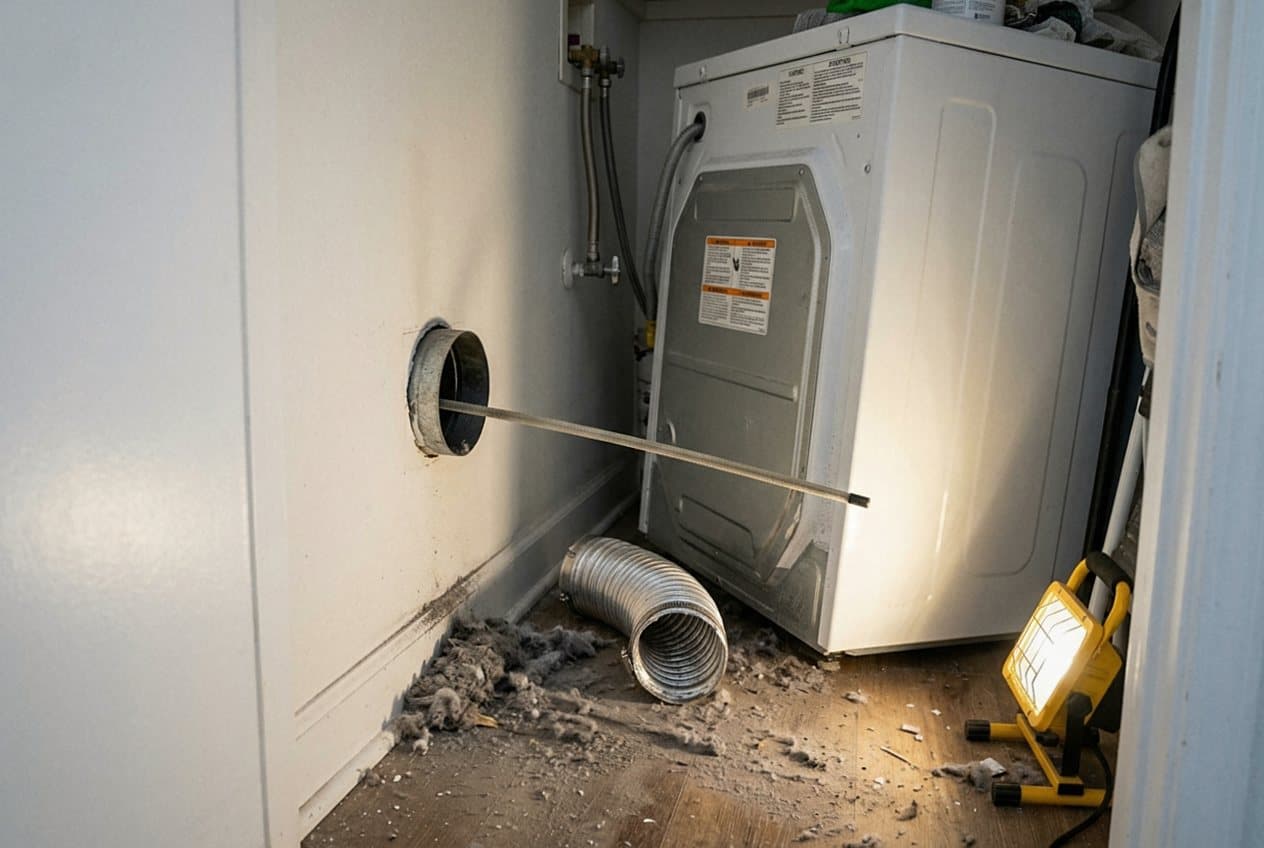
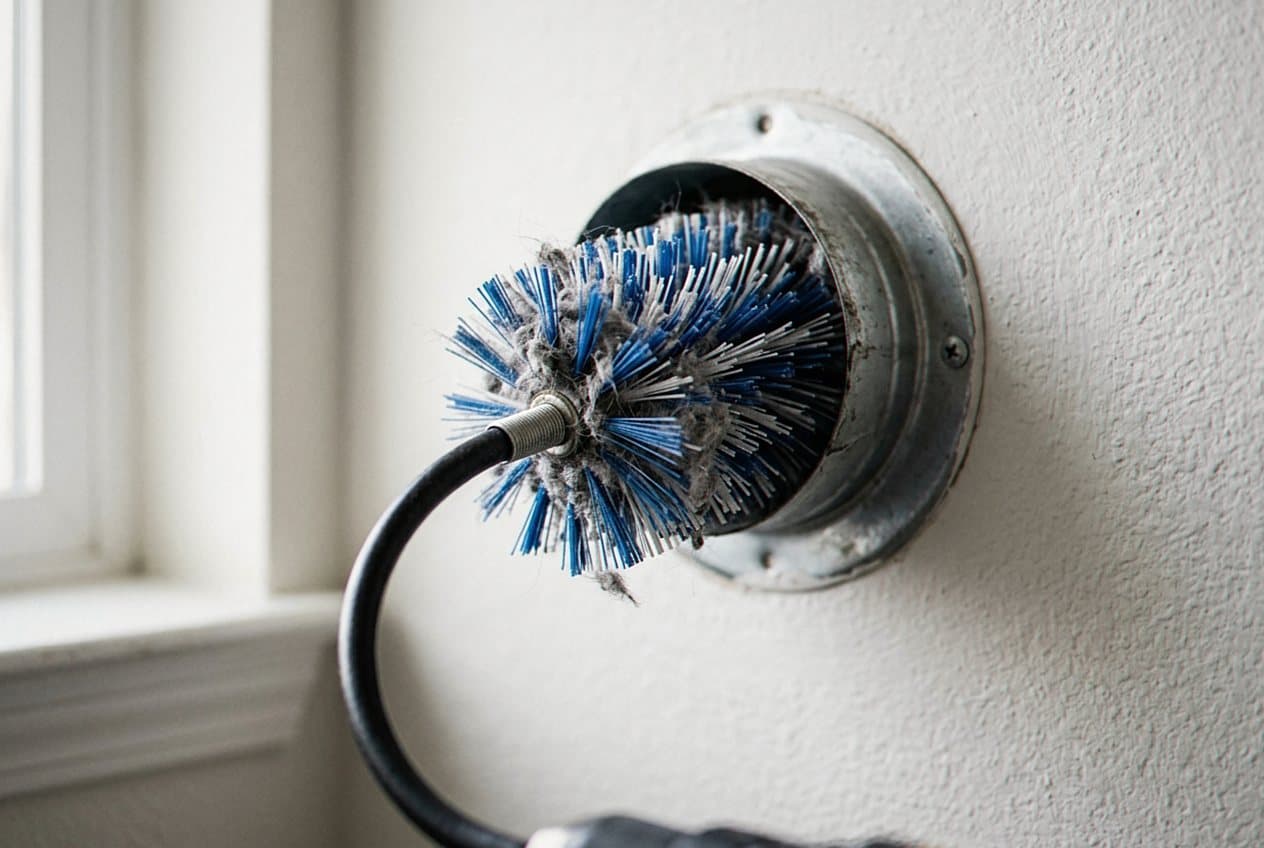
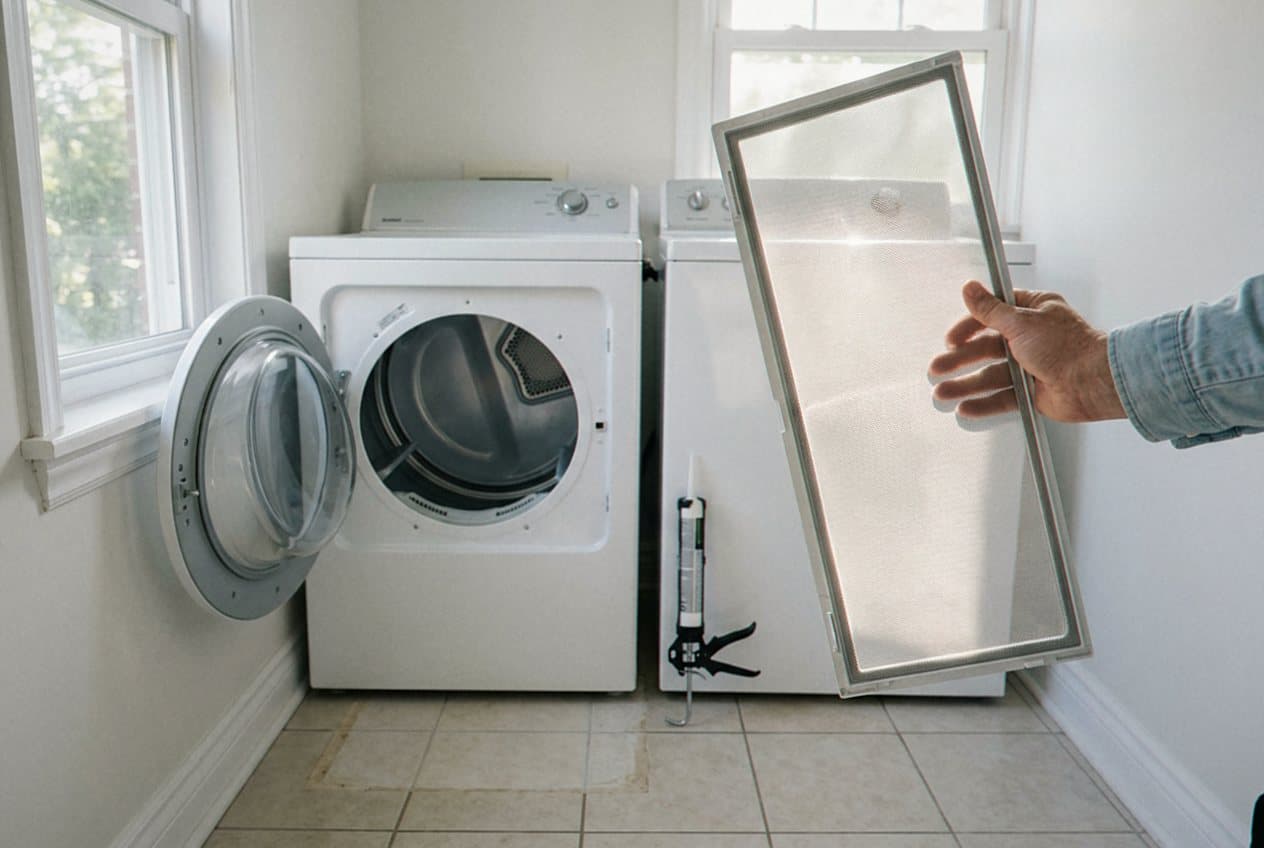
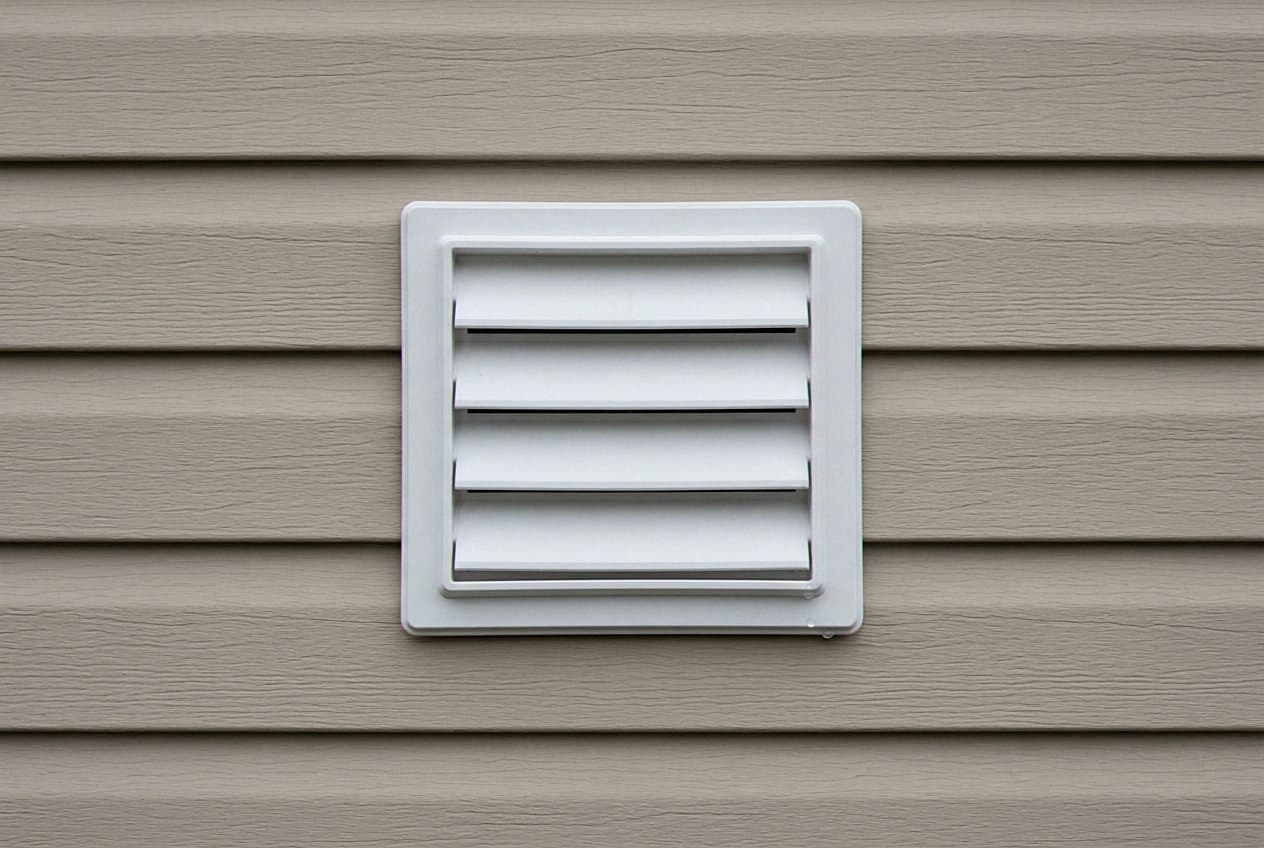
Most Elgin homes we visit have the same story. The dryer used to finish a load in one cycle. Now it takes two, sometimes three. That is lint, and it builds up slowly until the air can barely move. We pull the dryer out, take the duct loose, and run a spinning brush through the whole line while a vacuum holds suction at the machine. Then we go outside and clear the hood from the other end. Lint packs hardest right at that flap, where warm wet air meets a cold Illinois morning and the fluff sticks to the metal. We keep working the line until the brush comes back clean.
Every house here vents a little differently. Older places near the Elgin Historic District often keep the laundry in the basement, with a short run out through the rim joist. Newer subdivisions on the west side put the washer and dryer upstairs by the bedrooms. That means a long duct that climbs through a wall and turns two or three times before it reaches the roof or the siding. Length and turns both slow the air down. The residential code caps a dryer duct at 35 feet, and every elbow counts against that total. We measure what you actually have, then clean it in the way that fits the layout.
- Shorter drying time, because the air finally has somewhere to go. Most people notice it on the very first load after we leave.
- Less heat dumped into the laundry room, which takes some work off the dryer and some load off your utility bill.
- Lower fire risk. Lint is the most common thing that starts a dryer fire, and clearing it out is the fix the fire service asks for.
- No more musty smell or damp clothes, because the moisture leaves the house instead of sitting inside the duct.
- A vent hood that opens and shuts the way it should, so birds and cold air stay outside where they belong.
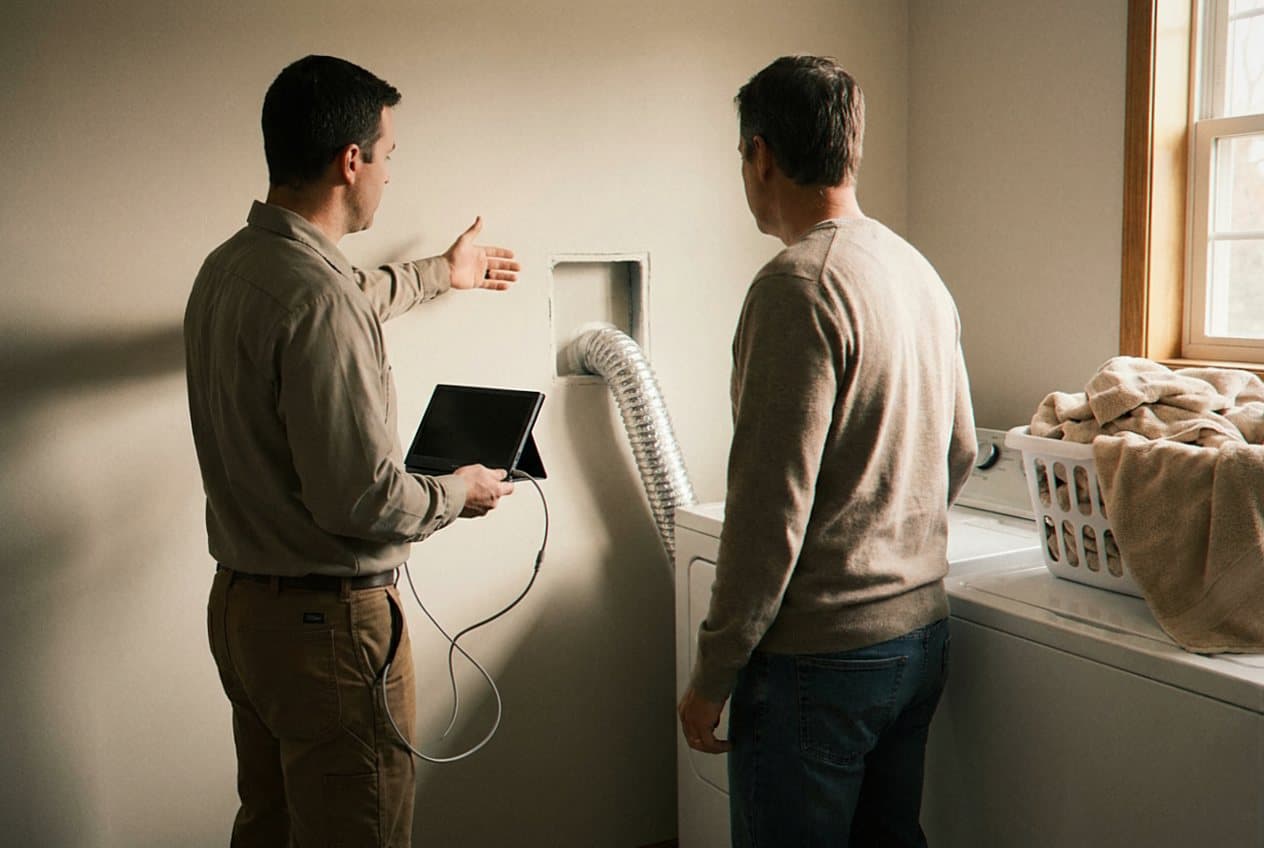
We also look for things a brush alone will not fix. Foil duct behind the dryer crushes flat the moment the machine gets pushed back, and it traps lint in every ridge. Screws poking into the duct catch fluff like a hook. A vent hood with a missing flap is an open door for the sparrows and starlings that nest in Kane County vents every spring. If we find any of that, we tell you plainly and show you the photo. Some of it we can fix on the same visit. Nothing gets replaced without you saying yes first, and you will know exactly what we did before we pack up.
We answer our own phone, and we work across Elgin and the towns around it, from South Elgin and Streamwood to Bartlett, Carpentersville and St. Charles. Tell us where the dryer sits and roughly how old the house is, and we can usually say what we expect to find before we arrive. Most cleanings take part of a morning. Call us or send the form and we will get you on the schedule this week.