
Commercial Dryer Vent Cleaning · Elgin

Commercial Dryer Vent Cleaning for Elgin Apartment Buildings and Businesses

We clean commercial dryer exhaust across Elgin, from shared apartment laundry rooms to salons and laundromats, and we work around your hours.

Free Commercial Dryer Vent Cleaning quote.

Tell us about the job. We reply within one business hour.

Your information is kept private. No spam, ever.

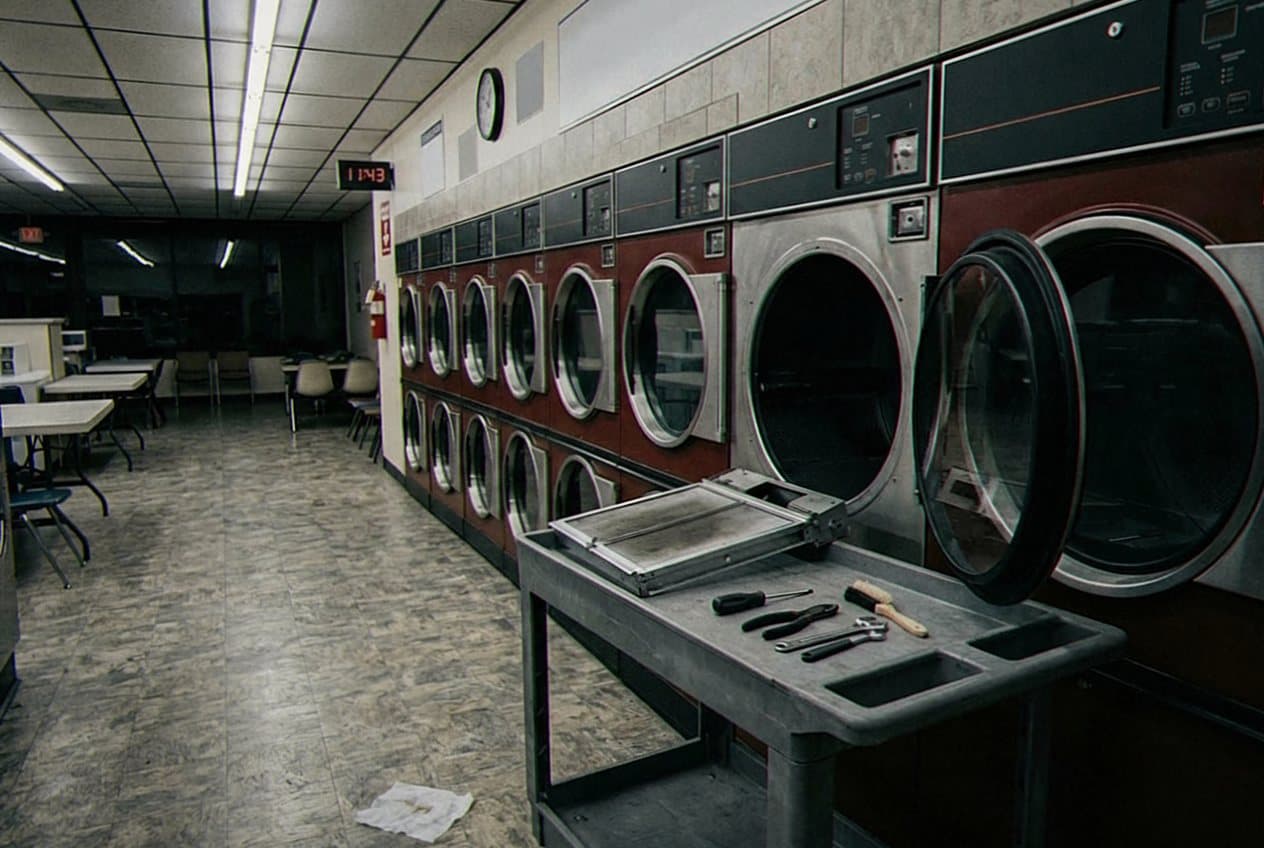
Row of commercial dryers in a dim laundromat
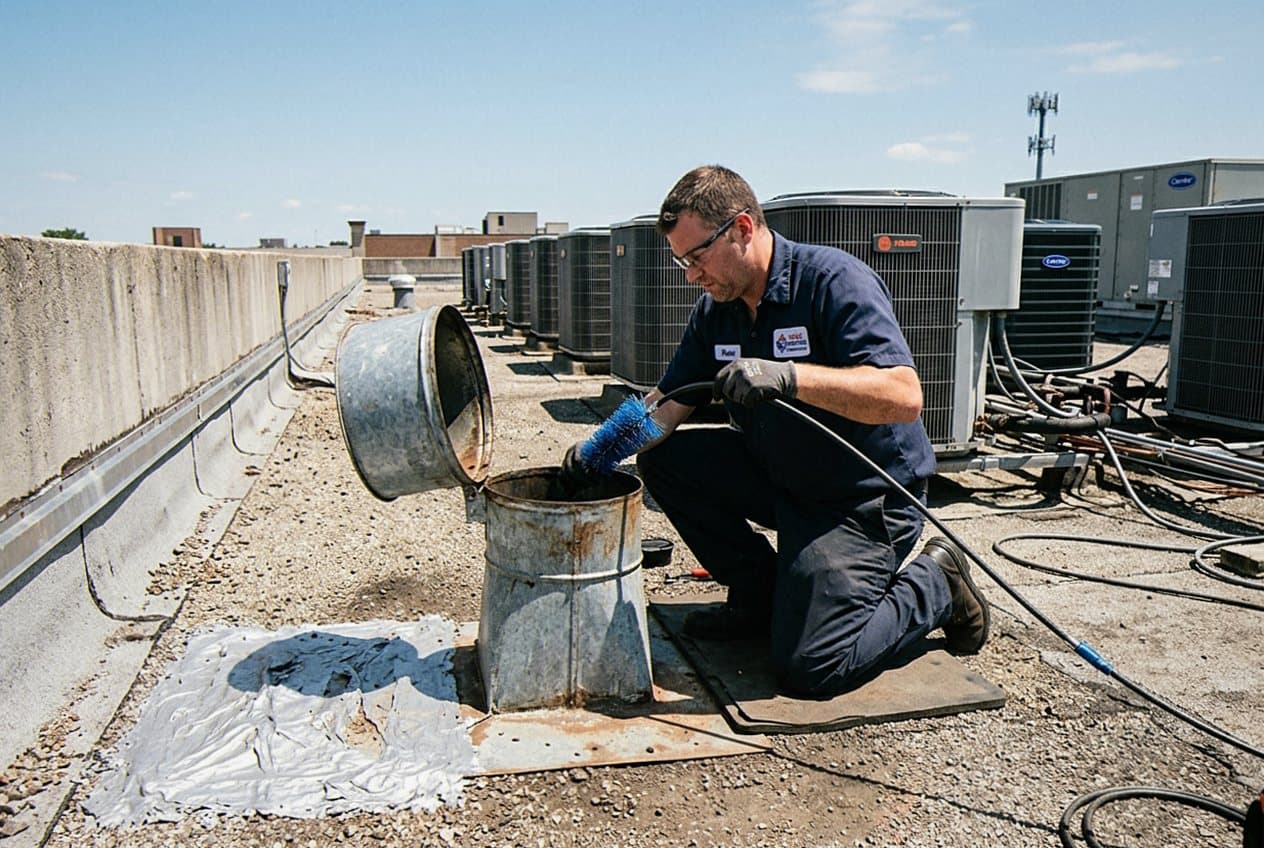
Technician brushing a rooftop vent among HVAC units
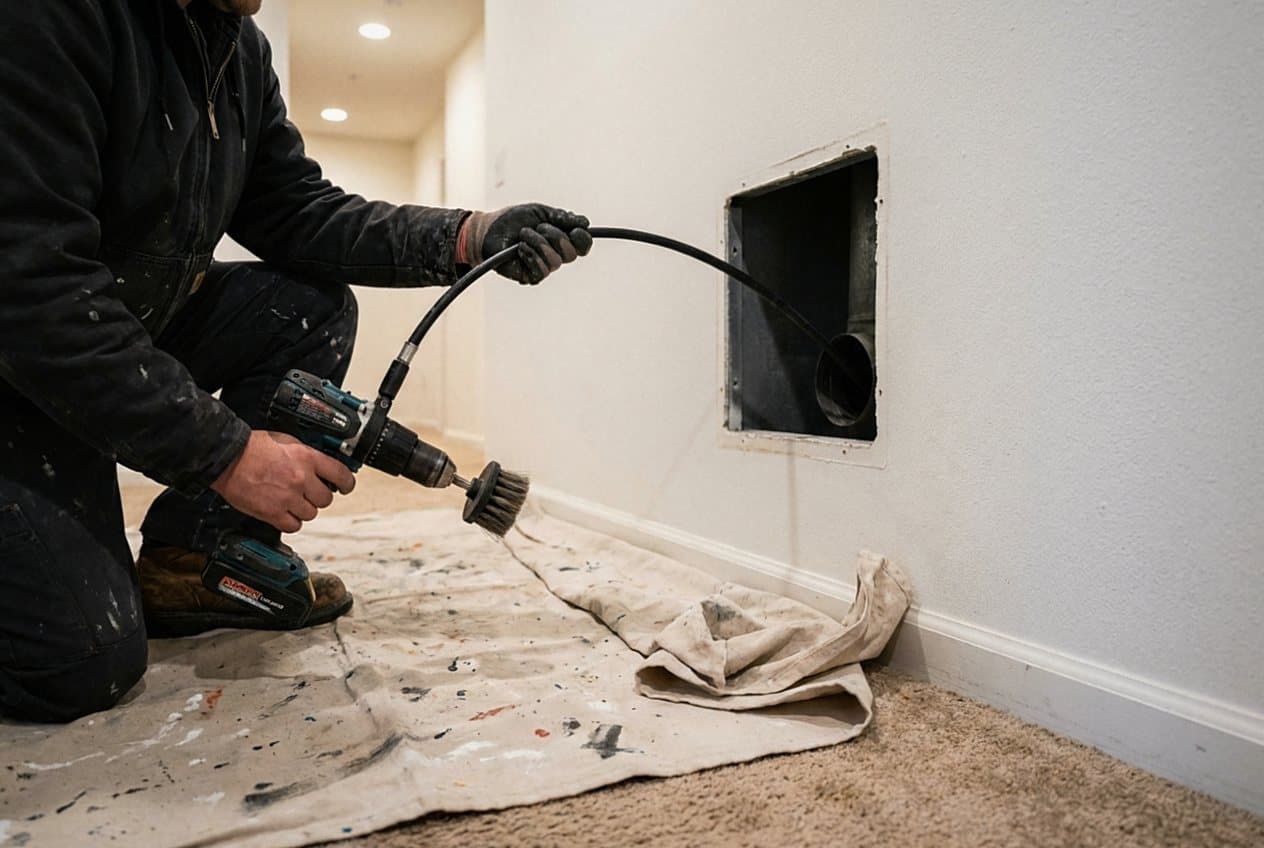
Technician cleaning a vent opening in a hallway
What we do

Keep the laundry moving and the room safer

A commercial dryer never gets a day off. In an Elgin apartment building or a salon over on Randall Road, one machine may run twenty loads before closing. All that lint has to go somewhere, and most of it packs into the duct behind the wall. Once the air slows down, clothes come out damp, staff run a second cycle, and the dryer runs hotter than it should. That heat sits against a bed of dry lint. It is how laundry room fires start, and it is why we clean the whole run and not just the first few feet near the machine.

We start where your exhaust ends, at the roof cap or the wall hood, and work back toward each machine. Rotary brushes and air whips break the packed lint loose while a sealed vacuum pulls it out, so nothing lands on folded laundry or a clean floor. Long runs in the older brick buildings near downtown often hide a crushed elbow, or a screen someone added years ago. A camera finds those. We show you what we saw, then we run each dryer, read the airflow at the outside hood, and put the room back the way we found it.

  • Faster dry times, so your machines finish a load on the first run.
  • Less fire risk in a laundry room where lint used to collect.
  • Cooler air and lower heat buildup for the tenants and staff nearby.
  • Night or early morning scheduling, planned around the hours you stay open.
  • Written notes on duct condition you can hand to ownership or a manager.
A commercial dryer that runs hot is telling you the duct is full. We listen to that.

We work the Fox Valley every week, so a call from a property manager in Elgin, South Elgin, or Streamwood is a short drive rather than a trip across the region. We know the buildings here. The brick walkups near the river run long flat ducts out to the alley side. The newer complexes off Randall Road stack their laundry closets and share one roof cap. Each of those needs a different approach, and we carry the ladders and the gear for both. When you call, you get a person who has already been in a room like yours.

If loads are taking two cycles, the duct is the first place to look. Call us and tell us how many machines you run and where they vent out. We will set a time that keeps the laundry room open when your tenants need it most.

Materials

What we bring into your laundry room

Commercial exhaust wants smooth metal duct, and that is what we work with. Rigid galvanized pipe moves air better than the flexible foil sleeve you see behind a home washer, and packed lint has fewer ridges to grab onto in there. Joints belong pointed the right way, with the male end aimed along the airflow, and they should be sealed with foil tape rather than fasteners. Screws do not belong inside a duct. Every one of them turns into a hook that catches lint and starts the next clog. At the outside end we want a hood with a damper that swings and no screen across it. Screens look tidy for a month. Then they blind over with lint and choke the whole run, which is why we take more of them off than we put on.

We do not sell equipment, and we do not push gadgets nobody in your building will ever touch. The truck carries what the job needs. That means rotary brushes on flexible rods for the long flat runs, air whips for tight turns, a camera so you can see the inside of your own duct, and a vacuum that holds every bit of lint in a sealed drum. If a run is longer than the code allows here, a booster fan can carry it, and we will say so plainly. We will also say when a section is past cleaning and needs to be replaced. You get the same answer we would give a neighbor over the fence.

  • Rigid metal duct, sealed with foil tape, never screws that catch lint inside the run.
  • Roof and wall hoods with a damper that swings free, and no bug screen over the opening.
  • Camera photos from inside the duct, before and after, sent to whoever signs off on the work.
  • Sealed vacuum collection, so the lint leaves the building instead of settling on clean laundry.
What about the alternatives?

Ways Elgin buildings handle dryer exhaust

Every property manager we meet has already tried something. Here is how the usual options hold up in a building where the machines run all day long.

Full duct cleaning on a set schedule

A crew clears every run from the machine to the outside hood and logs the date it was done. This is the only option that reaches the packed lint deep in the line, and it keeps dry times honest through a Kane County winter.

Recommended

Emptying the lint trap between loads

Good habit, and your staff should keep it up. The trap catches only part of what comes off the clothes, and the rest keeps riding into the duct where nobody can see it pile up.

Acceptable

A handyman with a shop vacuum

Fine for the first few feet behind the machine. A shop vacuum has no reach and no brush, so a long run to the roof stays packed while the room looks tidy.

Acceptable

Swapping the flexible connector behind each dryer

Worth doing when a sleeve is crushed or torn, and it is quick work. It does nothing for the hidden run inside the wall, which is where most of the lint sits waiting.

Acceptable

Putting a screen over the outside hood

It keeps birds out for a few weeks and then blinds over with lint. We pull these off more often than we install them, and we deal with birds using a proper guard instead.

Skip

Waiting until a dryer stops drying

By then the duct has been choking for months and the heating element has been working overtime. The room runs hot, the machines age faster, and the repair bill lands before the cleaning ever does.

Skip
How it goes

From quote to walk-on, fast.

1

Your inquiry

Call or send the short form with what is going on at your place. A sentence or two is plenty.

2

We talk it through

We go over the situation on the phone, ask the questions that matter, and tell you what we would do next.

3

A clear plan

You get a plain rundown of the work, the order it happens in, and what to expect on the day.

4

The work gets done

We hand the work back with a final look together, so you see exactly what was done and why.

Before you book

Straight answers before you book anything

Property managers ask us the same handful of things, usually in the middle of a busy morning. Here is what we tell them.

How often should a commercial laundry room be cleaned?

It depends on how hard the machines work. A shared laundry room in a small Elgin apartment building usually does fine once a year. A busy laundromat, a salon washing towels all day, or a senior living building with round the clock loads can need us every three to six months. We look at your load count and tell you what fits. We would rather set a longer interval than sell you a visit the building does not need.

Will you shut our laundry room down for the whole day?

No. We work machine by machine, so most rooms stay partly open while we are there. In buildings where the dryers sit stacked in one closet, we come in early or after you close. Tell us the hours your tenants use the room and we plan the visit around that. A room with four to eight machines is usually finished inside a morning.

Our dryers vent through the roof. Does that change anything?

It is common in the newer complexes off Randall Road, and we handle it every week. Roof runs are simply longer, which gives lint more room to settle and gives the air a harder climb. We bring the ladders and the safety gear, clean the vertical run from both ends, and check that the cap still swings free. Ice and wind bend a lot of roof caps over an Illinois winter, so we look at that while we are up there.

How fast can you get to our building?

Usually inside the same week, and sooner when a dryer has already quit on you. We are based right here, so Elgin, South Elgin, Bartlett, and Carpentersville are all a short drive. If you have tenants lined up waiting on laundry, say so when you call and we will move you up the list. A dryer that smells hot gets looked at first, every time.

Do you clean the machines too, or only the duct?

Both, within reason. We open the back panel and the lower cabinet to pull the lint that packs around the blower and the heat source, because a clean duct behind a clogged dryer only solves half the problem. We do not do appliance repair. If a machine needs a part, we point at it, write it down, and let your service company take it from there.

What do we get when the work is done?

A short report with photos from inside the duct, the airflow reading at the outside hood, and notes on anything we could not fix that day. Managers pass it along to ownership, and it settles the question of when the room was last serviced. If we found a crushed elbow or a missing damper, the location is written down so the next trade knows where to look.

Aftercare

Keeping the room clear between visits

Between cleanings the room mostly takes care of itself, as long as your staff know what to watch for. Lint on the floor near a machine means air is escaping a joint somewhere behind it. A laundry room that feels hot in January means that heat is staying inside instead of going out the cap. Walk the room once a week, look up at the outside hood from the parking lot, and note which machine takes the longest to finish a load. Those three habits catch most trouble early.

  • Empty every lint trap between loads, and post a sign at the door so tenants get in the habit too.
  • Watch the outside hood from the ground. A flap that never opens means the run is blocked.
  • Check the floor behind the machines for lint dust, which usually points to a loose or torn duct joint back there.
  • Note any dryer that needs two cycles, and give us the machine number when you call.
  • Keep carts and boxes clear of the back of the dryers.
  • After heavy snow or an ice storm, look up at the roof caps for a bent or frozen flap that will not close.
Row of commercial dryers in a dim laundromat
FAQ

Commercial dryer vent questions we hear in Elgin

Ready for a quote in Elgin?

Call or send the form with what is going on. You get a straight answer and a written quote, fast.

CallFree quote