
When a dryer needs a booster fan, and when it does not
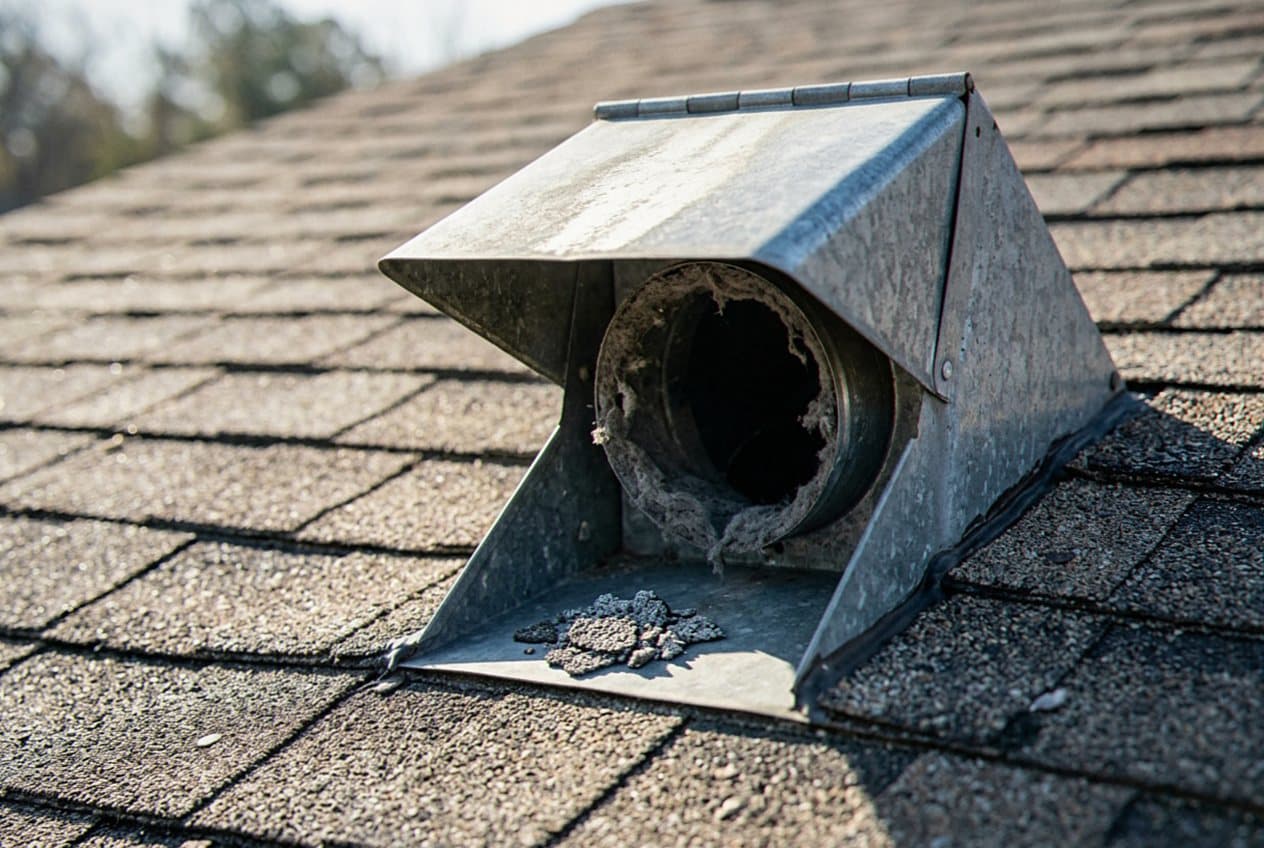
A dryer only pushes so hard. The blower inside the machine is built to move air through a short run of pipe, and once that run gets long the air slows down and the lint drops out of it. Building code puts a number on this. A dryer duct is capped at thirty five feet, and every turn in the pipe counts against that total, so a run with four elbows in it can be over the limit at twenty feet of actual pipe. Plenty of homes in Elgin sit past that line. A laundry room in the middle of the house, a closet on the second floor, a basement machine that has to travel out to the far wall, a condo stack that climbs up through the building. In those homes the dryer never really wins. You run a load, the clothes come out damp, so you run it again, and the pipe fills a little more with every cycle. A booster fan is the fix for that one problem. It is a small blower that sits inline in the duct, partway along the run, and it pulls the air the rest of the way to the outside. Most of them switch on by themselves. Some read the pressure in the pipe when the dryer starts, some sense the current the dryer draws, and either way you never touch a switch. What a booster fan is not is a cure for a dirty pipe. If the run is packed with lint, adding a fan just gives the lint a new place to pile up, and now the pile is sitting on a spinning wheel. We clean the run first, every time, and then we look at whether the length itself is the trouble. If it is, we talk about a fan. If it is not, we say so and you spend nothing on one.
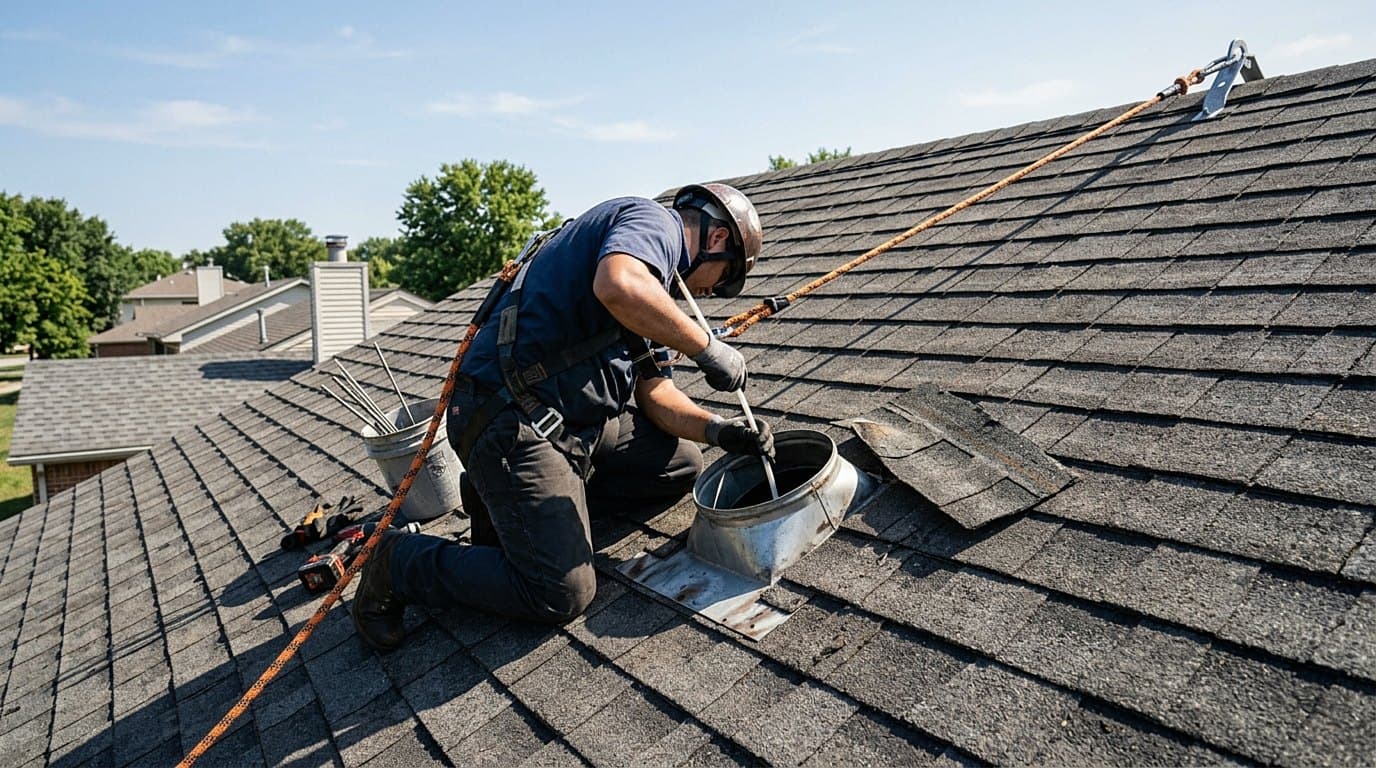
Our crew starts the visit by reading the run, not by selling you a part. We measure the true length from the back of the dryer to the cap outside, count the turns, and check what the pipe is made of. Then we clean it end to end with a brush on a rod and a vacuum at the machine, because a fan mounted on a dirty duct is wasted work. With the pipe clear we take an airflow reading at the wall cap. That number tells us whether the dryer can finish the trip on its own. When it cannot, we mount the booster fan somewhere a person can reach it again later, usually in a basement joist bay or above an access panel we cut and trim out. The fan goes into metal pipe on both sides, sealed with foil tape, and it gets wired to a switch that senses the dryer rather than a wall control someone will forget. We hang it so the housing can come apart without pulling the whole run down. Then we test it. The dryer goes on, the fan picks up, and we read the air at the cap a second time so you hear the difference as a number instead of taking our word for it. Cleaning a booster fan you already own is a different visit and a smaller one. The wheel inside gathers lint the way a shop fan gathers dust, and once the blades wear a coat the fan moves far less air than it did when it went in. We open the housing, pull the wheel, clean the blades and the housing by hand, clear the duct on both sides of the fan, check that the switch still fires when the dryer runs, and put it back together. Most of these fans want that attention about once a year. If yours has been up in the ceiling since the house was framed and nobody has touched it, expect us to find the blades loaded.
- We clean the whole run before we ever bring up a fan. A booster mounted on a duct full of lint coats its own wheel and quits pulling within a season. Cleaning first also tells the truth about the pipe. Sometimes a run was never too long, only packed solid, and once it is clear the dryer finishes a load on its own and needs nothing more from us. You get a clean duct out of the visit either way. That is the part that cuts the fire risk in your laundry room.
- We read airflow at the wall cap before and after the work, and we give you both numbers out loud. A booster fan is easy to sell on a hunch and hard to sell on a reading. So we work from the reading. If the air moves fine once the pipe is clear, we tell you the fan is not worth putting in. We write that on the invoice instead of hunting for a reason to install one. That is the whole test, and you get to watch it happen.
- The fan gets mounted where a person can reach it later. Too many of these end up sealed inside a ceiling or wedged in an attic corner nobody can crawl to. The wheel never gets cleaned, and the fan slowly turns into a plug in the middle of your duct. We look for a joist bay, an access panel that already exists, or an open stretch of basement, and we show you the exact spot before we cut anything. If the only spot we can reach is a poor one, we say so rather than bury the thing.
- We wire the fan to sense the dryer instead of a switch on the wall. It starts when your machine starts, runs through the cycle, and shuts down on its own. Nobody in the house has to remember a thing. A booster that waits on someone flipping a switch gets left off half the time, and a long run with the fan off loads up with lint faster than a short run ever would. Automatic is the only version of this we put in.
- Cleaning a fan you already own is real work, not a wipe with a rag. We pull the wheel out of the housing, clean every blade, and clear the duct on both sides. Then we check that the switch still fires the moment the dryer kicks on. Most of these want that attention about once a year, though a big household doing laundry every day will get there sooner. We tell you what the blades looked like when we opened it up, so you can judge for yourself how long to wait.
Elgin housing runs the whole range, and the vent problems follow the housing. The old homes near the historic district and around Gifford Park were built long before anyone put a laundry room upstairs, so the dryer ended up in the basement and the duct got added later by whoever had the tools that weekend. Those runs wander. They cross the whole basement, dodge a beam, take three turns to get around the stairs, and come out on the far side of the house. Downtown, the converted buildings and the condo stacks near the Fox River push the air up through a shared chase, which is a long climb for a small blower to make alone. Out west, past Randall Road, the newer subdivisions put the laundry on the bedroom floor. That is easy on your legs and hard on the duct, because the air now has to drop down inside a wall or run out through the attic before it ever reaches daylight. Winter makes all of it worse. Cold air is heavy, snow packs against a wall cap, and a flap that sticks shut on a January morning turns a slow run into a stopped one. Kane County gets enough of that weather to matter. So the first thing we sort out is whether your run is long, dirty, or both. Those are different problems and they take different fixes. A booster fan answers only one of them, and putting one on a duct that was simply never cleaned buys you a few good weeks and then the same damp laundry you started with.
You do not have to guess whether the answer is a fan or a cleaning. That part is our job. Tell us where the dryer sits, where the air leaves the house, and how long a normal load has been taking lately. We will clear the run, take a reading at the cap, and give you a plain answer about whether a booster belongs in your duct or whether the pipe was the whole story. If a fan makes sense, we can set it the same day. We work in Elgin, South Elgin, Bartlett, Streamwood, Carpentersville, Hoffman Estates, and the Dundees.